

IGCSE results are an important milestone, but they are not the finish line. Once the exams are over, families face the next question: what comes after? A-Levels, a Foundation programme and the IB Diploma are the routes most often discussed, and each leads to university in a different way.
This guide explains the main post-IGCSE pathways in simple terms, how they differ and what parents should consider when planning their child’s next step. Using the Cambridge IGCSE pathway as a starting point, it offers practical guidance to help families explore the options available for further studies, whether locally or internationally.
Where IGCSE Fits
Cambridge IGCSE (International General Certificate of Secondary Education) is an internationally recognised secondary-school qualification. It is broadly comparable in educational level to the UK GCSE and O Levels, as well as Malaysia’s SPM, although their curricula, assessment structures and subject requirements differ.
For many students, completing IGCSE marks the transition from Secondary education to pre-university studies. Depending on their academic interests, future goals and preferred learning style, students may choose to pursue A-Levels, the International Baccalaureate (IB) Diploma or a Foundation programme.
At Sri Bestari International School (SBIS), students complete the Cambridge IGCSE pathway at the end of Year 11, providing a foundation for further studies locally or internationally. See the Secondary curriculum for the full picture.
The Three Main Routes Compared
The table below gives a general overview. Duration, structure and entry requirements vary by institution, so always check the provider’s own information.
| Route | Typical duration | Main approach | Often suitable for students who… |
|---|---|---|---|
| A-Levels | Approximately 18–24 months | Focused study of a smaller number of subjects, usually assessed mainly through examinations. | Prefer studying selected subjects in greater depth and want flexibility when applying to universities. |
| IB Diploma | Two years | Six subject groups alongside Theory of Knowledge, the Extended Essay and Creativity, Activity, Service (CAS). | Enjoy a broad curriculum, independent research and a combination of academic and extracurricular commitments. |
| Foundation | Approximately 1 year | A preparatory programme often designed around a particular university or field of study. | Have a clearer direction and prefer a more focused route towards a particular degree or institution. |
Durations, entry requirements and progression arrangements vary by provider. The IB Diploma’s six subjects are selected according to programme rules, and not every Foundation qualification is accepted by every university.
How to Choose: Six Questions to Ask
- Where might your child pursue their degree? Different universities and countries have their own entry requirements and accepted qualifications. Consider whether the chosen pathway provides the flexibility to apply to the institutions your child may be interested in.
- How does your child learn best? Deep focus on a few subjects suits some students, while others thrive on variety and project work.
- Where might they study? Local universities, the UK, Australia and other countries each have their own recognised entry routes.
- What is the timeline and budget? Compare length, tuition and living costs, not just course titles.
- What are the IGCSE requirements? Many providers look at specific grades and subjects, particularly English and Mathematics.
- What does your child want from the experience? Campus environment, class size and support all matter at this age.
Making the Most of IGCSE Subject Choices
The subjects studied during Years 10 and 11 can influence the pathways available after IGCSE, particularly for courses with specific subject requirements.
For students following structured subject combinations, it is helpful to consider how these align with possible future interests. However, students do not need to have a definite career plan at this stage.
Parents are encouraged to explore potential pre-university requirements early and discuss their child’s strengths, interests and available subject options with teachers.
For further guidance, read our guide to choosing IGCSE subjects in Year 9.
A Simple Planning Timeline
- Year 9 — Start exploring: Discuss interests, academic strengths and possible subject pathways before entering Year 10.
- Year 10 — Research the options: Explore A-Levels, IB Diploma and Foundation programmes. Compare entry requirements, course structures and potential university destinations.
- Year 11 — Prepare for the next step: Shortlist institutions, attend information sessions and review application deadlines while preparing for IGCSE examinations.
- After IGCSE — Confirm the pathway: Review examination results and any offers received, then confirm enrolment according to the chosen institution’s requirements and deadlines.
Supporting Students Beyond IGCSE
Preparing for life after IGCSE involves more than examination results. Students also benefit from developing independence, confidence, communication skills and a clearer understanding of their interests.
At SBIS, students are encouraged to develop these qualities through classroom learning, co-curricular activities and opportunities for personal development. Parents can also communicate with class teachers and the Secondary academic team to discuss their child’s progress and possible future study pathways.
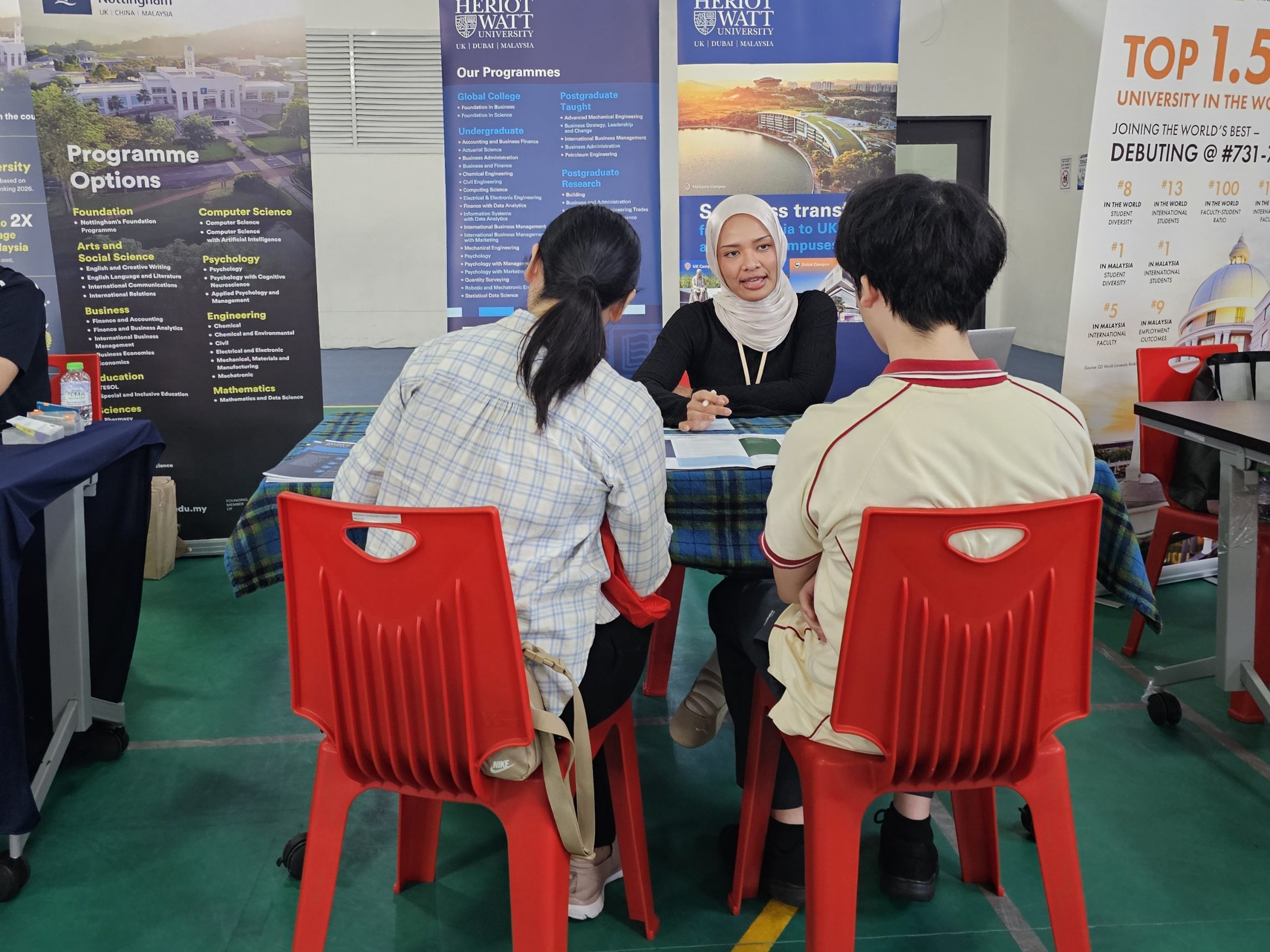
To help students explore their options, SBIS has organised Career Days, inviting representatives from universities to share insights into further education, available programmes and potential career pathways. These events provide opportunities for Secondary students and parents to ask questions, explore possibilities and better understand the choices ahead.
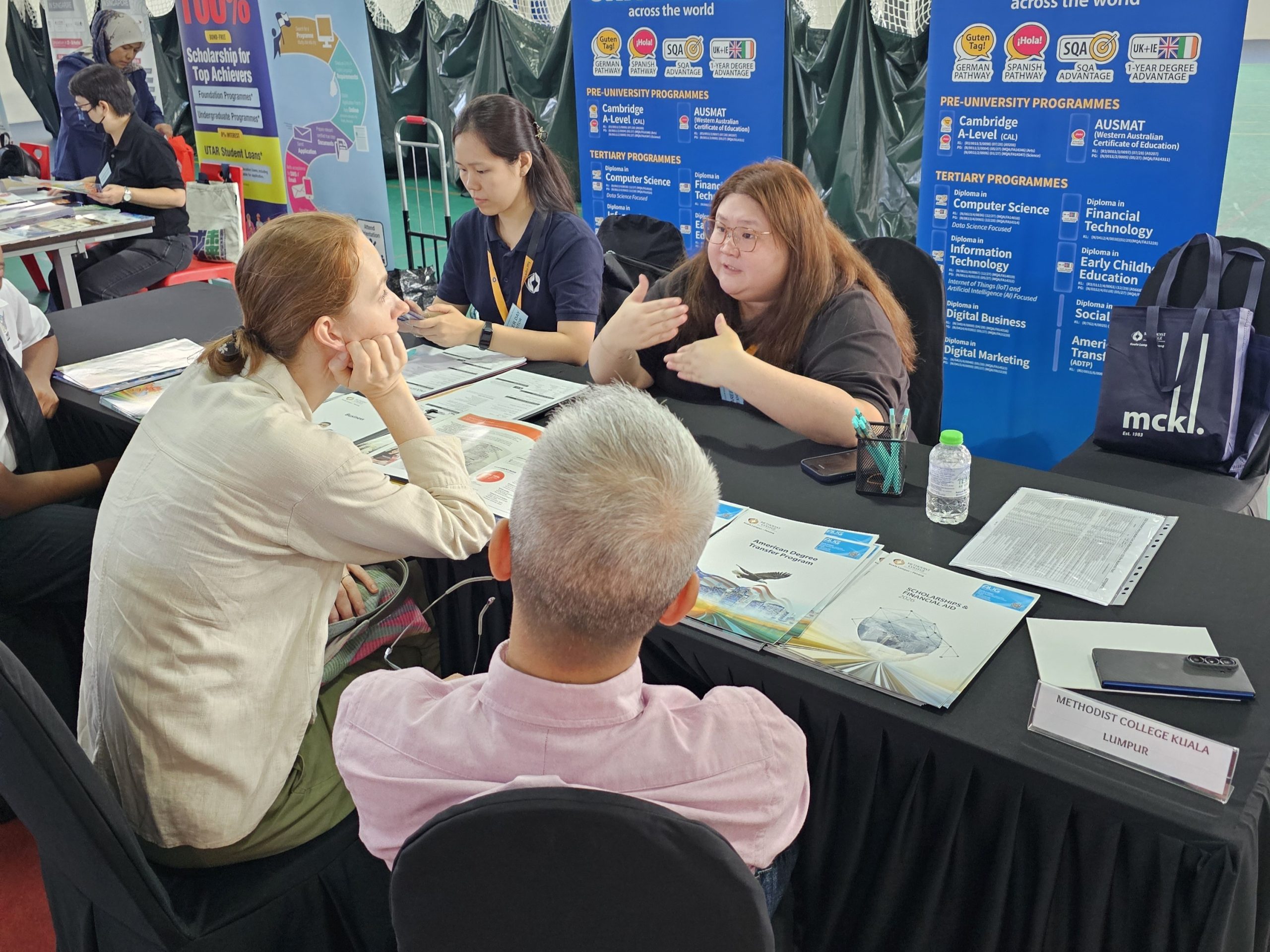
Our most recent Career Day was also opened to the wider community, extending these opportunities to families beyond SBIS and encouraging greater awareness of the educational pathways available after Secondary school.
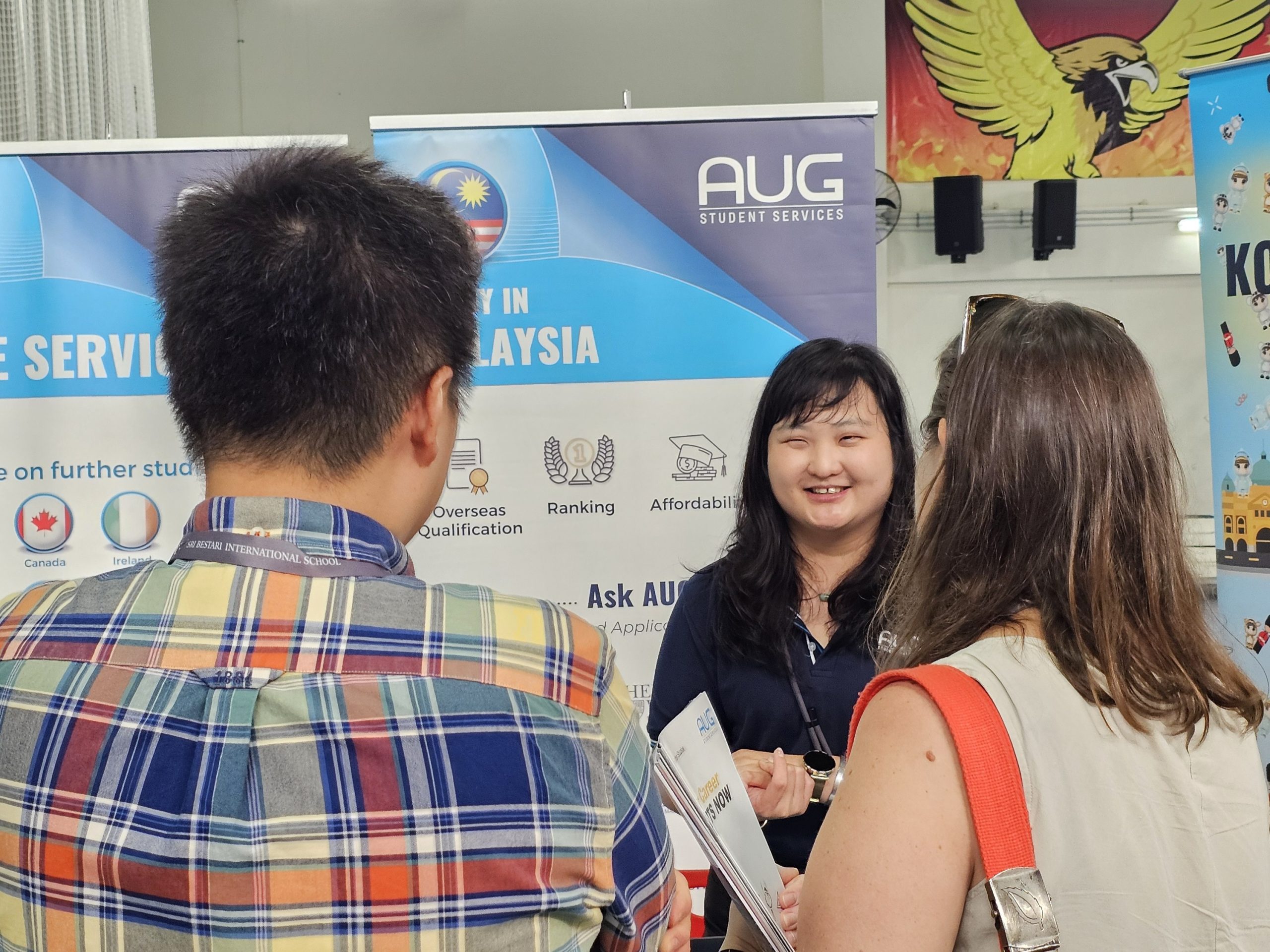
As students approach the end of Year 11, families are encouraged to explore available pre-university options, attend information sessions and check the entry requirements of their preferred institutions.
Questions to Ask the School and the Next Provider
- What IGCSE grades and subjects are required for admission?
- Is the qualification recognised by the universities or degree programmes my child may consider?
- How is the programme assessed — through examinations, coursework or both?
- What is the total duration and estimated cost of the programme?
- Can students apply to different universities after completing the programme?
- What academic and student support services does the institution provide?
There is no single best pathway after IGCSE. A-Levels offer the opportunity to study selected subjects in depth, the IB Diploma provides a broader learning experience, while Foundation programmes offer a more focused route towards particular fields of study or institutions.
The right choice depends on your child’s interests, academic strengths, preferred learning style and future goals. By exploring the options early and understanding the entry requirements, families can make informed decisions with greater confidence.
Frequently Asked Questions
What can students study after IGCSE O’Level at SBIS?
Students may progress to A-Levels, the IB Diploma, Foundation programmes or other recognised pre-university pathways, depending on their results, interests and the entry requirements of their chosen institution.
Is IGCSE accepted for A-Levels, Foundation and the IB Diploma?
Cambridge IGCSE is widely recognised for admission to further study. However, each institution sets its own entry requirements, including minimum grades and specific subjects.
Which pathway takes the shortest time?
Foundation programmes typically take around one year, while A-Levels and the IB Diploma generally take approximately two years. Actual durations vary by institution and programme.
Which pathway is best for studying overseas?
This depends on the country, university and degree programme. A-Levels and the IB Diploma are widely recognised internationally, while recognition of Foundation programmes may depend on the institution offering them and the universities accepting them.
When should parents start planning?
Families can begin exploring possible pathways during Year 9 or Year 10, with more focused research and applications during Year 11. Starting early provides time to compare options without unnecessary pressure.
Plan the Pathway with Us: Book a School Tour
Chat with Admissions on WhatsApp: +6012 912 8032