
As students approach the end of Year 9, an important decision begins to take shape: which IGCSE subject combination should they pursue in Years 10 and 11? It can be an exciting milestone, but also one that raises plenty of questions. Which subjects suit my strengths? What might I need for future studies? What if I’m still unsure?
This guide gives Year 9 students and their parents a clear way to approach IGCSE subject choices, using the Cambridge pathway at Sri Bestari International School as a reference point. It explains how the structure works, what subject combinations are available, and a simple framework for making a decision you can feel comfortable with.
Understand the Structure First
The SBIS Secondary programme follows the Cambridge curriculum in two key stages:
- Key Stage 3 (Years 7–9): Students build their knowledge and skills across a range of subjects, culminating in Cambridge Lower Secondary Checkpoint assessments at the end of Year 9.
- Key Stage 4 (Years 10–11): Students work towards Cambridge IGCSE (International General Certificate of Secondary Education), an internationally recognised secondary-school qualification. It is broadly comparable in educational level to the UK GCSE and O Levels, as well as Malaysia’s SPM, although the curriculum, assessment structure and subject requirements differ. At SBIS, IGCSE examinations are generally held during the May/June examination series, subject to confirmation by Cambridge International Education.
IGCSE subject combinations can influence future study options, including A-Level, Foundation and other pre-university pathways. However, students do not need to have their entire career mapped out at this stage.
What Subjects Are Available?
SBIS offers a range of subjects at Upper Secondary level, covering Languages, Mathematics, Sciences, Business and other areas of learning. These are offered through structured subject combinations, which may vary from year to year. Parents are encouraged to confirm the available combinations with the Secondary academic team.
| Area | Subjects offered at Upper Secondary |
|---|---|
| Languages | English (as First Language or Second Language), Malay (as Foreign Language), Mandarin (as Foreign Language) |
| Mathematics | Mathematics, Additional Mathematics |
| Sciences | Biology, Chemistry, Physics, Combined Science |
| Business | Accounting, Business Studies, Economics |
| Skills and wellbeing | Global Perspectives, Information and Communication Technology (ICT) |
At SBIS, IGCSE subjects are offered through structured subject combinations rather than individual elective selections. These combinations are designed to support students’ academic progression and may vary from one academic year to another.
In addition to IGCSE examination subjects, students attend other timetabled lessons and activities, including Physical Education, Assembly and Moral or Islamic Studies. These contribute to students’ overall development but are not IGCSE examination subjects.
A Five-Step Way to Decide
1. Start with strengths and interests
Look at your child’s Year 9 academic performance, teacher feedback and Cambridge Checkpoint results. These can help identify areas of strength and subjects where additional support may be needed. Just as importantly, consider what your child genuinely enjoys. Interest and motivation can make a meaningful difference over two years of study.
2. Work backwards from a possible pathway
Your child does not need to decide on a career at 14 or 15. However, having a general direction can help. For example, students interested in science-related pathways may benefit from a strong foundation in Mathematics and Science, while those considering business may wish to explore combinations that include Accounting, Business Studies or Economics.
As entry requirements vary between institutions and courses, parents should check the requirements of potential pre-university programmes before making final decisions.
3. Balance the workload
Consider the overall workload, not just the number of subjects. A balanced subject combination should challenge students academically while allowing time for co-curricular activities, personal interests and rest. At SBIS, students are encouraged to maintain a healthy balance between academic commitments and personal development.
4. Understand the details inside each subject
Subjects may have different syllabuses, assessment formats and requirements. For example, parents may wish to understand the difference between First Language and Second Language English, or Combined Science and the separate Sciences.
The Secondary academic team can help explain these differences and how they relate to a student’s strengths and future study plans.
5. Talk to the people who know your child
Subject teachers and class teachers can offer valuable insight into a student’s progress, strengths and areas for development. At SBIS, parents are encouraged to communicate with their child’s teachers and the Secondary academic team when considering IGCSE subject combinations.
These conversations can help families make informed decisions based on the student’s abilities, interests and available subject combinations.
Common Mistakes to Avoid
- Choosing a subject only because friends are taking it.
- Ruling out or dropping a subject without considering whether it may be useful for future study pathways.
- Picking for perceived prestige instead of genuine interest and ability.
- Overloading the timetable and leaving no time to recover.
- Leaving the conversation until the week of the deadline.
How Parents Can Help
Listen first. Ask your child what they enjoy, where they feel confident and which subjects they find challenging. Explore the available combinations together, and encourage conversations with subject teachers and the Secondary academic team.
Keep the discussion open and supportive. The goal is not to choose the most impressive combination of subjects, but to find a suitable balance between your child’s abilities, interests and future opportunities.
It also helps to consider the bigger picture of school life. Beyond academics, SBIS offers co-curricular activities and enrichment opportunities that encourage students to explore their interests, develop new skills and build confidence. Parents can refer to our Secondary curriculum page to learn more about how these experiences complement classroom learning.
Guidance Through the Subject Selection Process
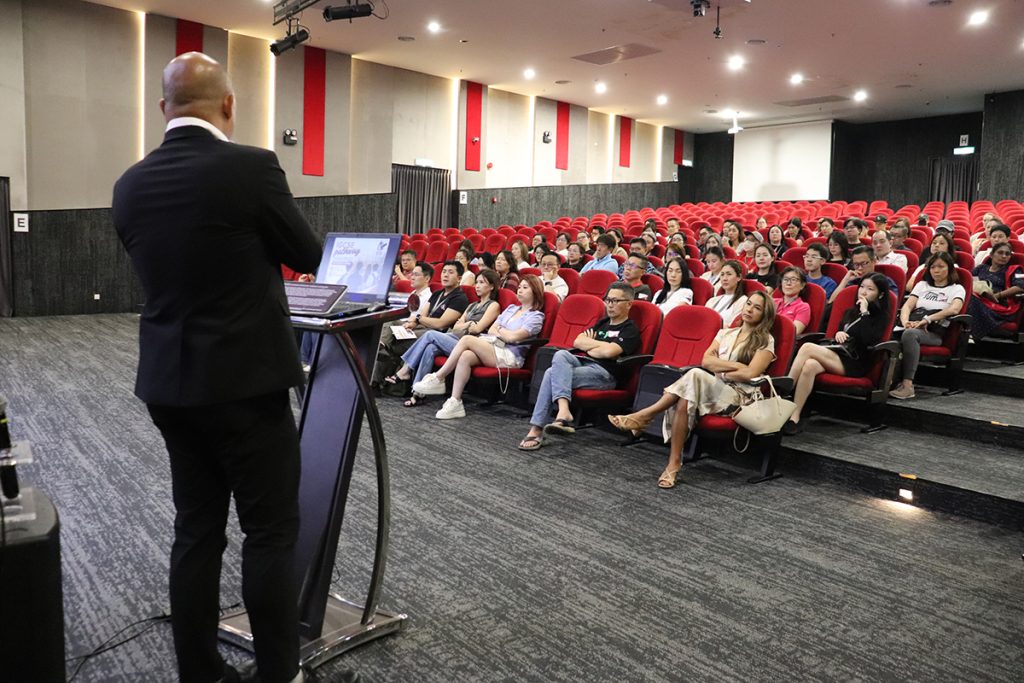
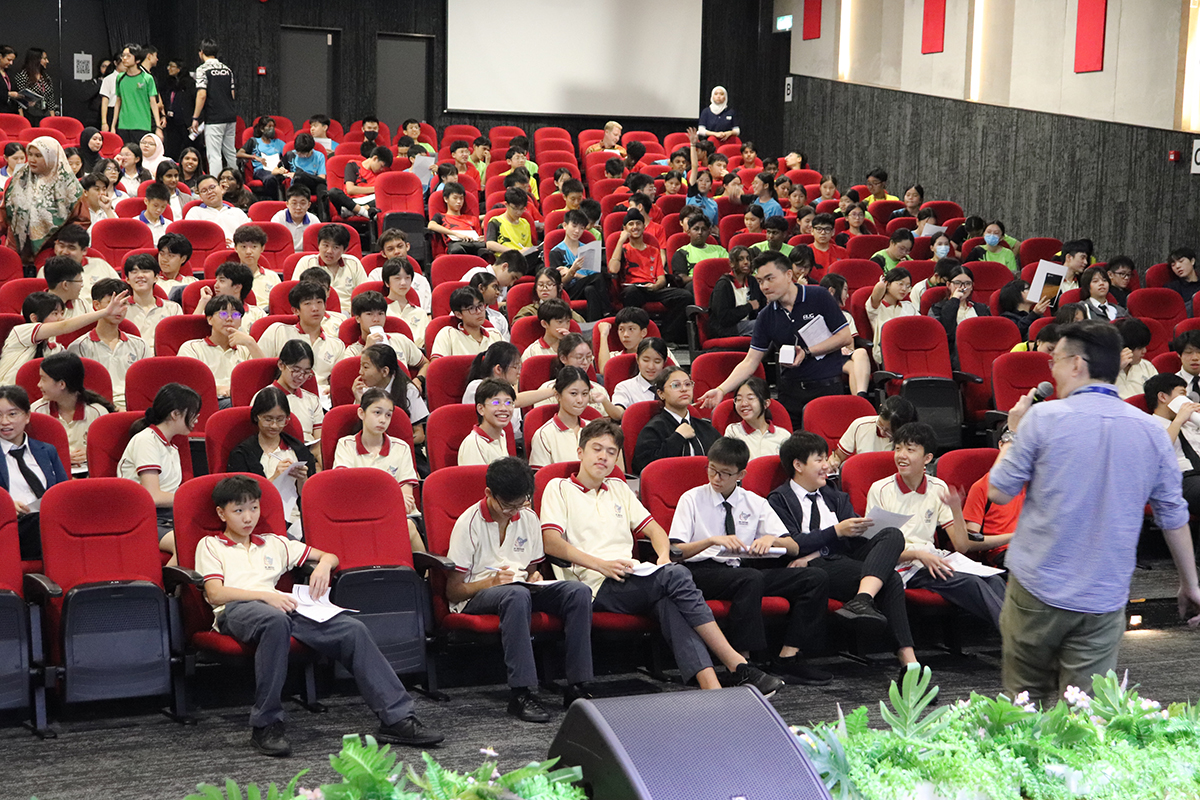
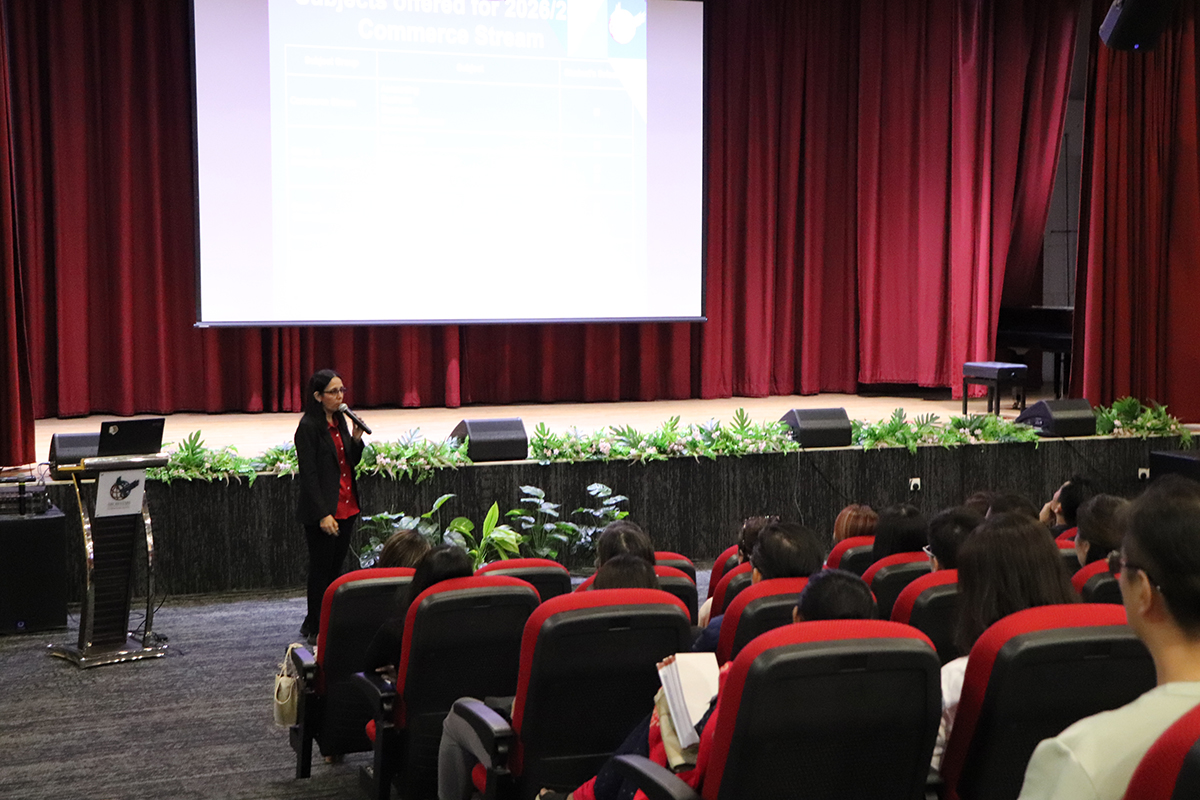
At SBIS, Year 9 students and parents are supported through the IGCSE subject selection process. The school organises a Year 9 Subject Selection Talk to help families understand the available subject combinations and considerations for Years 10 and 11.
A Parent-Teacher Session is also arranged when Year 9 results are released, providing an opportunity for parents to discuss their child’s academic progress, strengths and suitable subject pathways with teachers.
As subject combinations may vary from year to year, the school will communicate the available options and relevant arrangements during the selection process.
Questions to Ask the School
- Which IGCSE subject combinations are available for my child’s intake?
- What are the differences between these combinations?
- Which combination best supports my child’s strengths and possible future study pathways?
- When will students and parents need to confirm their selection?
- Can a student change their subject combination after Year 10 begins?
Choosing an IGCSE subject combination is not about finding a perfect answer, but making an informed decision that reflects a student’s strengths, interests and future possibilities. With guidance from teachers, thoughtful discussions at home and a balanced approach to learning, students can move into Years 10 and 11 with greater clarity and confidence.
Frequently Asked Questions
What is IGCSE and is it recognised internationally?
Cambridge IGCSE is an internationally recognised secondary-school qualification, broadly comparable in educational level to the UK GCSE, O Levels and Malaysia’s SPM, although their curricula and assessment structures differ. It provides a foundation for further studies, subject to individual institutions’ entry requirements.
When are IGCSE exams held?
At SBIS, students generally sit Cambridge IGCSE examinations during the May/June examination series in Year 11. Exact examination dates are subject to confirmation by Cambridge International Education.
When do Year 9 students select their IGCSE subject combinations?
At SBIS, students select their IGCSE subject combinations during Year 9, before entering Year 10 (Key Stage 4). The school organises a Year 9 Subject Selection Talk to introduce the available combinations. A Parent-Teacher Session is also arranged when Year 9 results are released, allowing families to discuss suitable pathways before finalising their selection. The school will communicate the relevant timelines and available combinations each academic year.
Should my child choose subjects based on a future degree?
It helps to keep a likely direction in mind, but entry requirements vary by course and institution. Check the published requirements of the pathways you may consider and keep options open where you can.
What if my child is unsure what they want to study?
That is perfectly normal. Encourage your child to consider their strengths and interests while keeping future study options in mind. Speak with their subject teachers or the Secondary academic team to understand which available subject combination may offer suitable flexibility.
Talk to Our Secondary Team: Book a School Tour
Chat with Admissions on WhatsApp: +6012 912 8032