
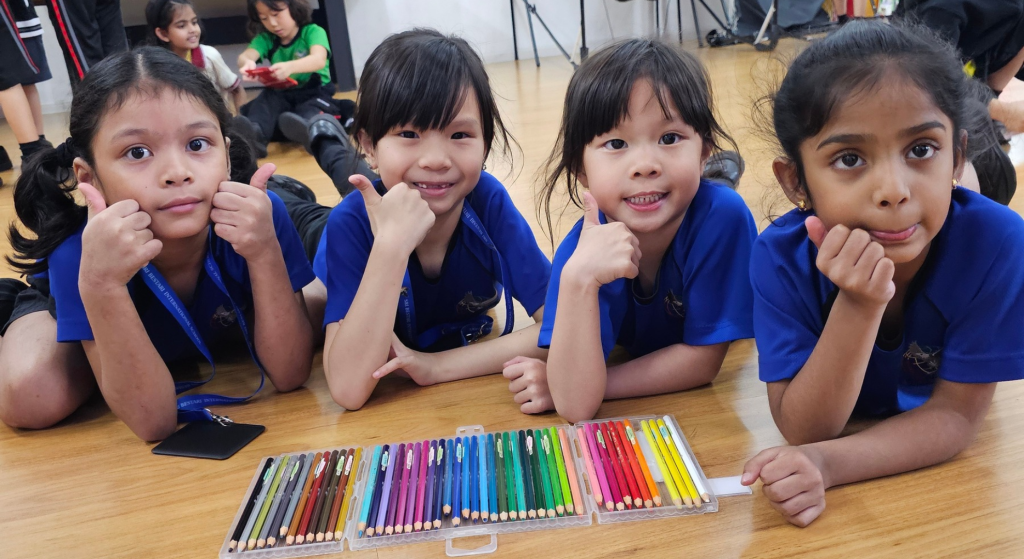
Many families in Kuala Lumpur consider moving their child from a national school to an international school at some point, often at the start of Primary, before Secondary, or ahead of exam years. The decision is usually made with careful thought, but the first weeks can still feel unfamiliar for a child.
This guide explains what typically changes when children move to a Cambridge-curriculum school such as Sri Bestari International School, how the admission process works, and practical ways to help your child settle in with confidence.
What Changes When Your Child Switches
- Curriculum structure: SBIS follows the Cambridge pathway: Early Years, Primary (with Cambridge Checkpoint at Year 6), Secondary (Checkpoint at Year 9) and Cambridge IGCSE at the end of Year 11. IGCSE is the international equivalent of the UK GCSE and O Levels, and of SPM in Malaysia.
- Learning style: Primary students learn through play and project-based activities alongside discrete lessons in English, Mathematics, Science, Mandarin and Bahasa Malaysia.
- Language of learning: Lessons are conducted in English, with Mandarin as a compulsory subject and, from September 2026, German immersion from Year 1 to Year 9.
- Calendar: The academic year begins in September, with an orientation programme at the end of August, and runs across three terms.
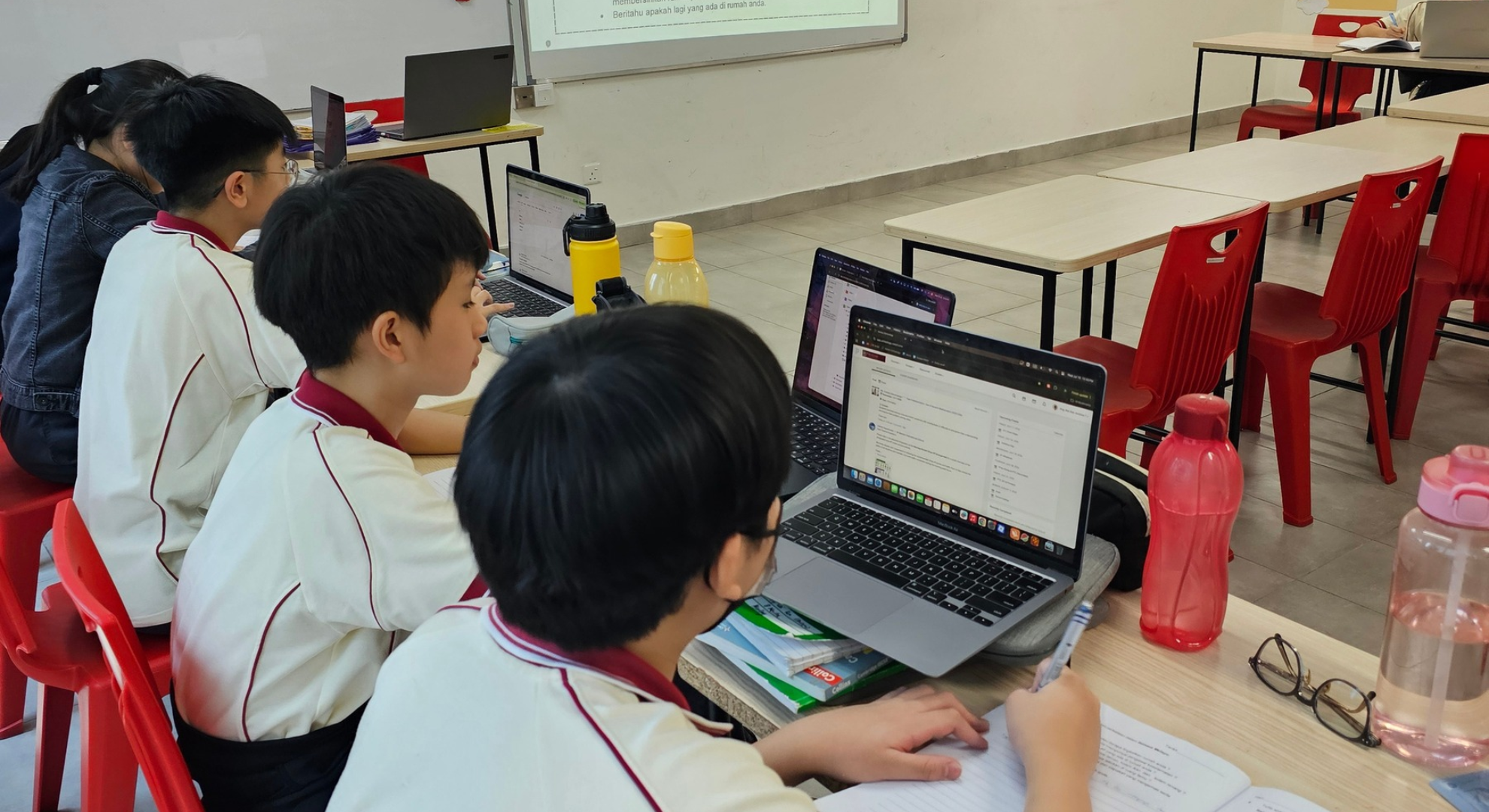
- Devices: Primary students do not need personal devices, but Secondary students from Year 7 to Year 11 bring their own MacBook each day.
Understanding the Admission Process
Admission follows a clear sequence of application, assessment, review and confirmation. The assessment depends on your child’s level:
- Reception (Early Years): a simple assessment, a placement interview with the Head of School and a classroom observation.
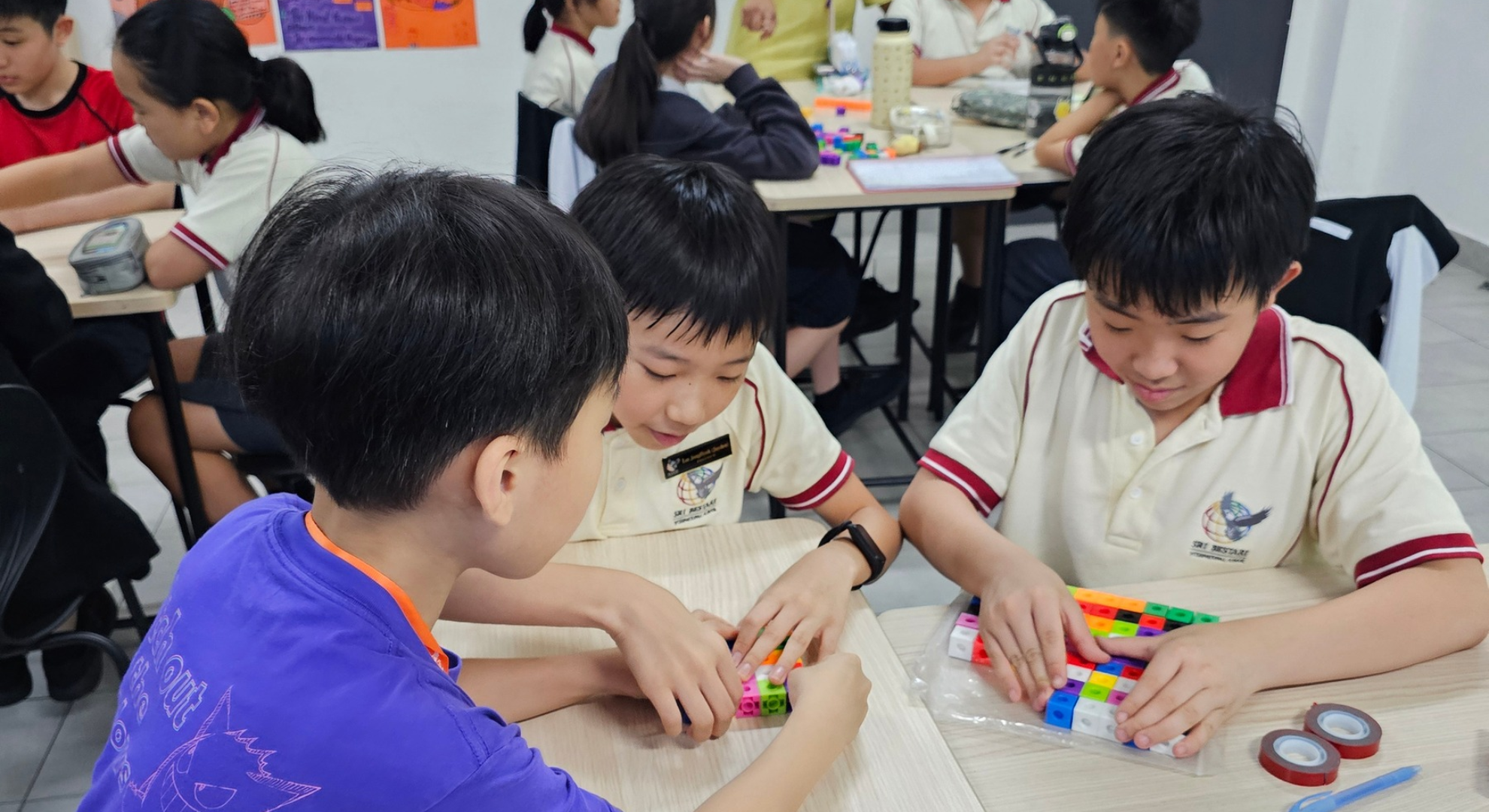
- Primary: an entrance assessment in English and Mathematics, plus a placement interview. Year 1 and Year 2 also include a classroom observation.
- Secondary: the Cambridge MidYIS assessment for Year 7 to Year 9, or a written assessment in English, Mathematics and Science for Year 10, together with a placement interview.
Results are usually released within five working days, and the admission committee typically reaches a decision in five to seven working days. In some cases the school may recommend a different year level based on assessment results and interview notes, so it helps to keep an open mind about placement. Full details are on our admissions and fee schedule page.
Prepare for the Language of Instruction
Because lessons are taught in English and SBIS does not currently offer a separate English language programme, it is worth building your child’s English confidence before the move. Reading together, speaking English at home for short periods each day and encouraging your child to ask questions in English can all help. If you are unsure whether your child is ready, discuss it openly during the placement interview.
Practical Ways to Help Your Child Settle In
- Visit first. A school tour lets your child see classrooms, labs and the campus facilities before the first day.
- Talk about the differences. Explain that new routines, subjects and teaching styles are normal parts of changing schools, and that it is fine to feel unsure.
- Get routines ready early. Practise the morning schedule, uniform and, for Secondary students, MacBook set-up before term begins.
- Encourage friendships. Co-curricular activities and signature programmes give new students natural ways to meet classmates.
- Stay in touch with the tutor. SBIS uses a tutor-ward system, with the tutor acting as the main contact for parents and arranging regular face-to-face meetings.
- Be patient with progress. Marks and confidence can dip briefly while children adjust to a new assessment style. Look at the trend over a term rather than a single result.
Signs Your Child Is Adjusting Well and When to Speak Up
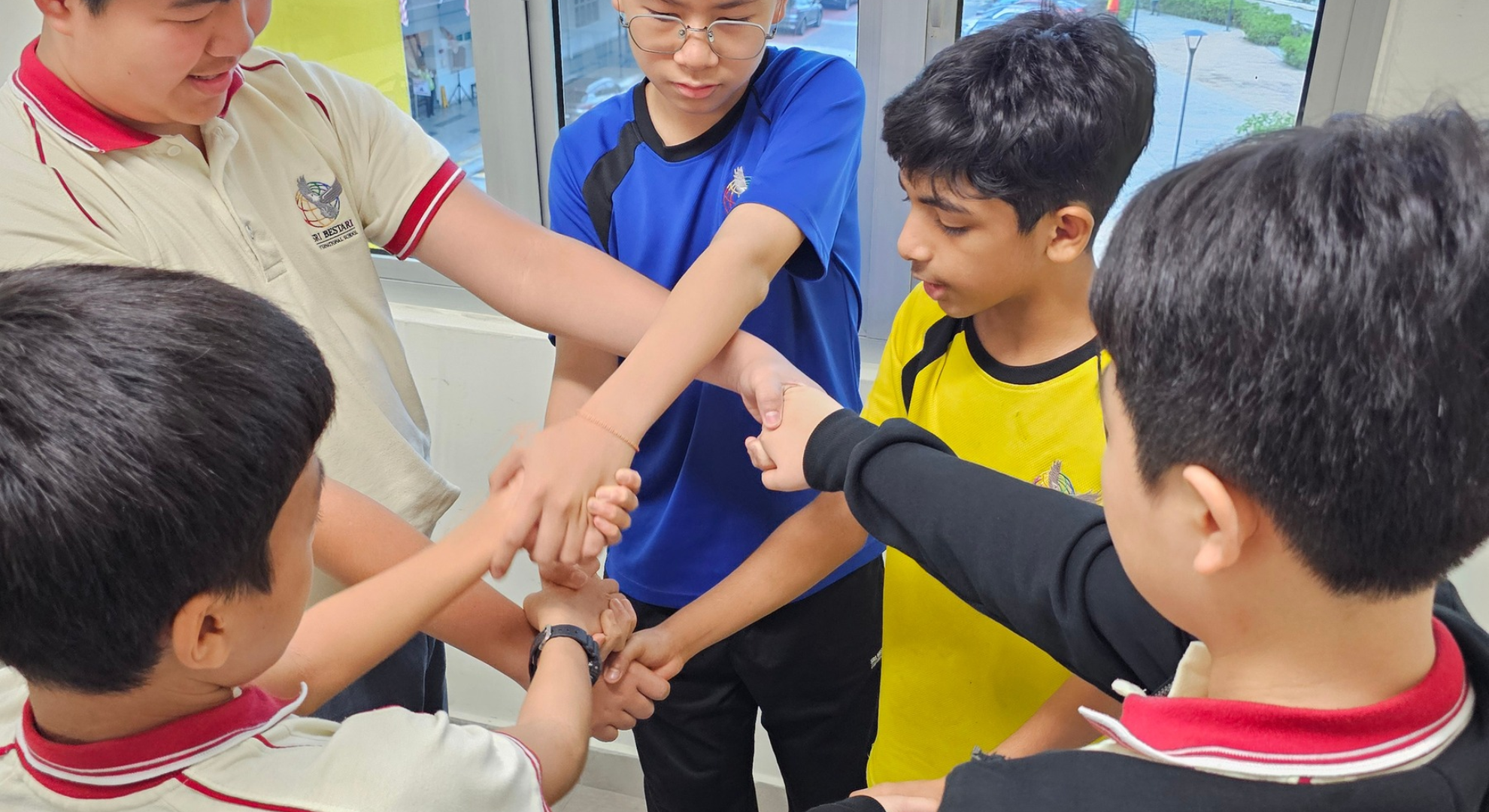
Positive signs include talking about new friends, mentioning lessons without prompting and settling into homework routines. If your child remains withdrawn, anxious about school or struggling with a particular subject after several weeks, speak to the tutor early. Small concerns are far easier to address in the first term than after they build.
Choosing the Right Time to Switch
The start of the academic year in September is the most natural entry point, because the whole class is forming new routines together. Common transition points include entering Year 1, starting Year 7 for Secondary, and moving in before the IGCSE years. Read our guide to choosing a school in North KL for more on what to compare.
Frequently Asked Questions
Will my child be placed in the same year level as before?
Not always. Placement depends on the entrance assessment, previous school records and interview notes, and the school may recommend a different year level where appropriate.
What if my child’s English is not strong yet?
SBIS does not currently provide a separate English language programme, so building English confidence before joining is recommended. Speak to the admissions team about your child’s situation.
Does my child need a MacBook?
Secondary students from Year 7 to Year 11 bring their own MacBook daily. Reception and Primary students are not required to use personal devices on campus.
When is the best time to switch schools?
Many families choose the start of the academic year in September, or a natural transition such as entering Year 1 or Year 7. The right time depends on your child.
How long does it take to settle in?
It varies from child to child. Many children adjust within a term, while others need a little longer. Regular contact with the tutor helps you track progress.
Book a Campus Tour and Meet the Admissions Team
Chat with Admissions on WhatsApp: +6012 912 8032